
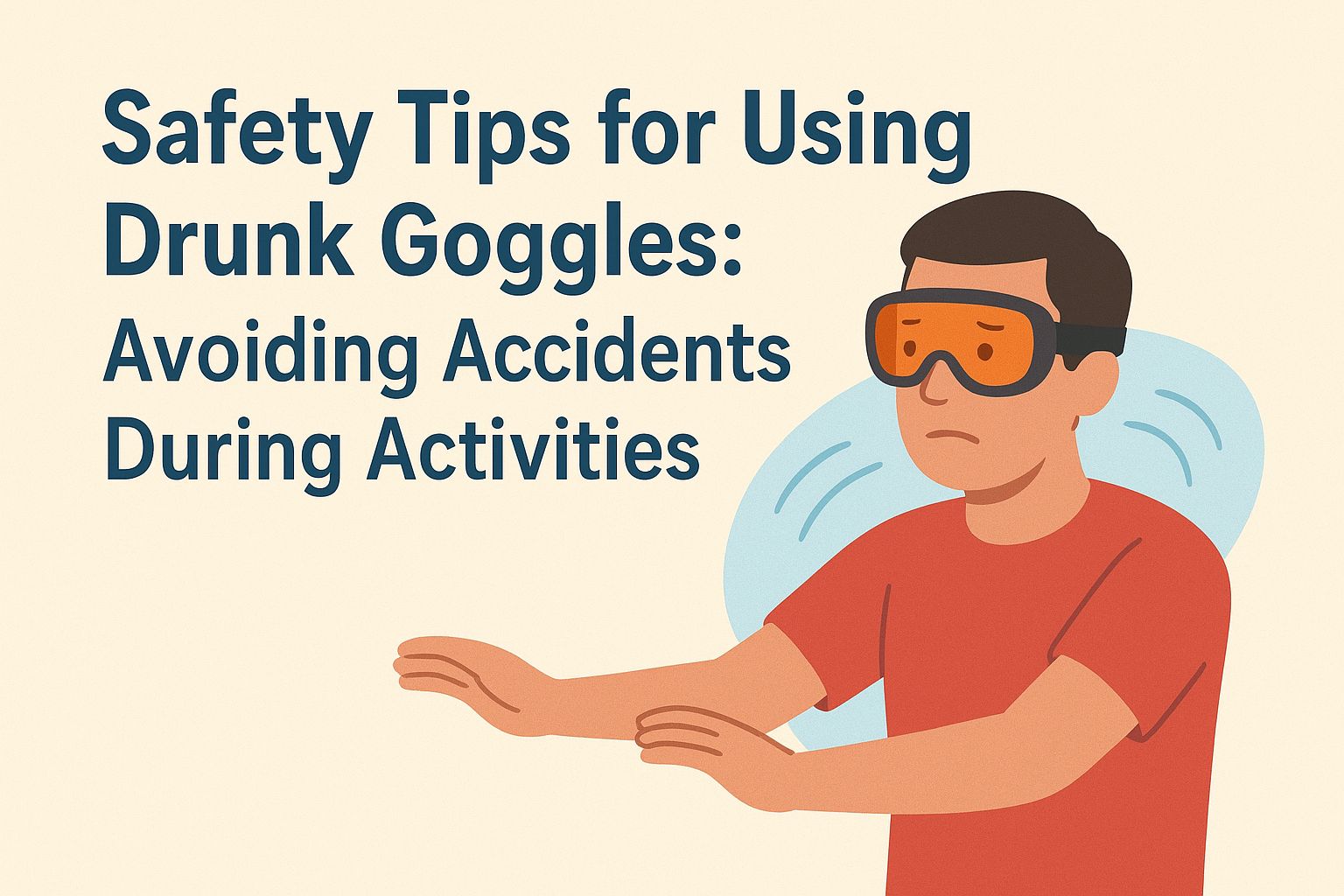
Drunk goggles, also known as impairment simulation goggles, are specialized eyewear designed to mimic the effects of alcohol intoxication. They distort vision, impair depth perception, and disrupt balance, making them a popular tool for educational purposes, team-building exercises, or fun activities like games and sports. While they can provide valuable insights into the dangers of impaired judgment, their use comes with significant risks if not handled properly. This article outlines essential safety tips to ensure participants avoid injuries and discomfort, emphasizing responsible usage to prevent accidents.
Understanding the Intensity of Drunk Goggles
One of the most critical aspects of using drunk goggles is recognizing their powerful impact on the body and mind. These goggles are not meant for prolonged wear. Limit sessions to just a few minutes at a time—ideally no more than 5-10 minutes per use. The simulated impairment can quickly lead to intense side effects, including short-term nausea, dizziness, loss of balance, and general discomfort. Extended exposure heightens these risks, potentially causing disorientation that lingers even after removing the goggles.
It’s especially important to steer clear of viral trends popularized on platforms like YouTube, such as “24-hour drunk goggles challenges” or similar extreme stunts. These activities may seem entertaining online, but they disregard the real physiological toll. Prolonged use can exacerbate motion sickness, lead to falls, or even trigger anxiety in some individuals. Always prioritize health over hype; what looks fun in a video could result in serious harm in real life.
Considering the Users and Potential Consequences
Before incorporating drunk goggles into any activity, carefully assess who will be participating. Not everyone is suited for this type of simulation, and the stakes can be high depending on the individual’s profession or physical condition. For instance, athletes like soccer players should approach these goggles with extra caution. A simple misstep while wearing them could lead to sprains, twists, or more severe injuries, rendering them unable to work or compete. Professional athletes, in particular, risk sidelining themselves for weeks or months due to avoidable accidents.
This consideration extends to anyone whose livelihood depends on physical fitness or coordination—think construction workers, dancers, or even office professionals who might engage in team-building events. Screen participants for any pre-existing conditions, such as inner ear issues, vertigo, or recent injuries, that could amplify the goggles’ effects. Always obtain informed consent and provide an opt-out option without judgment. Safety protocols should include having a sober supervisor on hand to monitor and intervene if needed.
Incorporating Safety Rules in Sports and Games
Drunk goggles can add a humorous twist to sports and games, highlighting the importance of sobriety in a lighthearted way. However, without strict guidelines, the fun can quickly turn dangerous. Establish clear rules tailored to the activity to minimize risks.
For example, in a game like floorball (indoor hockey), enforce regulations that prioritize safety over speed. Prohibit running to prevent collisions, as impaired depth perception makes it nearly impossible to accurately judge distances to other players or obstacles. Additionally, require that sticks remain on the ground at all times—no lifting or swinging—to avoid accidental strikes. Similar adaptations can apply to other sports: in basketball, limit movements to walking and passing only; in tag games, designate a soft, open area free of hazards.
General best practices include starting with low-intensity activities, like simple coordination drills, before progressing to more complex ones. Rotate participants frequently to allow recovery time, and ensure all equipment (e.g., balls, bats) is soft and non-lethal. The goal is education and enjoyment, not competition—frame the experience as a learning opportunity rather than a high-stakes challenge.
Avoiding Hazardous Environments
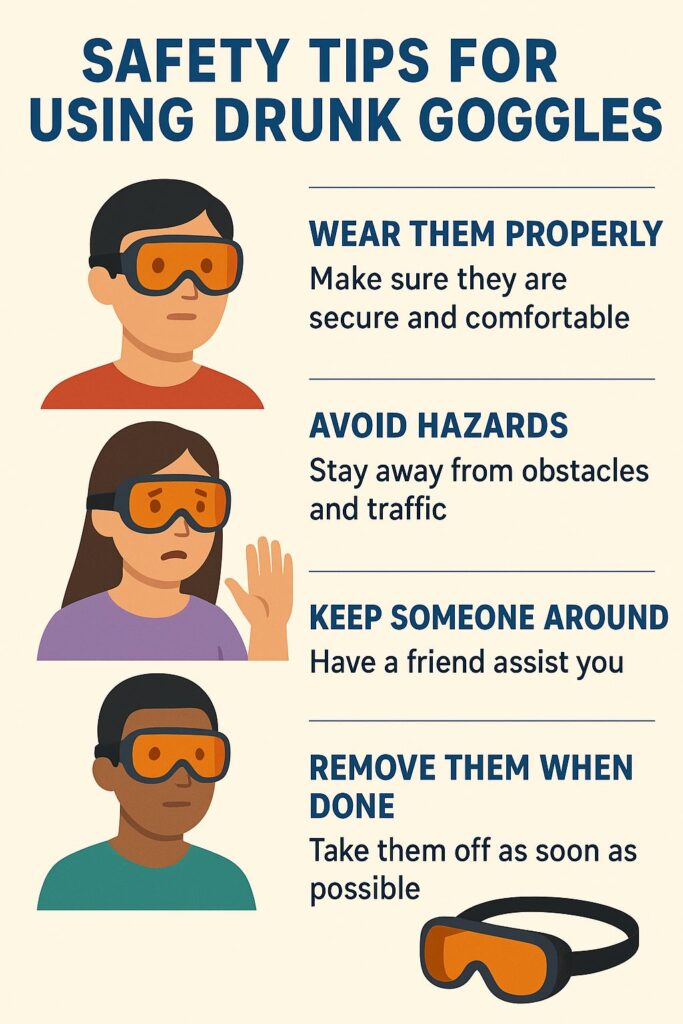
Environmental awareness is paramount when using drunk goggles. Never conduct activities near potential dangers that could turn a minor stumble into a major injury. Steer clear of stairs, which pose a high risk of falls due to distorted balance and vision. Similarly, avoid areas with sharp objects, such as table edges, furniture corners, or protruding fixtures, as impaired coordination increases the likelihood of collisions.
Opt for controlled, open spaces like padded gyms, grassy fields, or empty rooms with soft flooring. Remove any loose items, cords, or clutter that could cause trips. If outdoors, ensure the terrain is flat and free of holes, rocks, or uneven surfaces. Lighting should be adequate to compensate for the goggles’ visual distortions, and always have first-aid supplies nearby, including anti-nausea remedies and ice packs.
Conclusion: Prioritizing Safety for Maximum Benefit
Drunk goggles are an effective tool for demonstrating the perils of impairment, but their value diminishes if safety is overlooked. By limiting wear time, avoiding extreme challenges, considering participants’ vulnerabilities, enforcing activity-specific rules, and selecting safe environments, you can ensure a positive experience without unnecessary risks. Remember, the ultimate aim is to promote awareness and responsibility—not to create real-world hazards. If you’re organizing an event, consult with safety experts or use resources from organizations focused on impairment education to refine your approach. Stay safe, stay smart, and let the goggles serve as a reminder rather than a regret.